A Complete Guide to RF PCB and High Frequency PCB
Let’s face it, today’s electronics aren’t just faster, they’re smarter, more compact, and way more demanding under the hood. And when you’re building anything that sends or receives a signal, be it a smartphone, radar system, or even a satellite, you can’t just slap down any old circuit board and hope for the best.That’s where the RF PCB and high frequency PCB manufacturers come in.
These aren’t your average boards. They’re built for speed, precision, and signal integrity. If a standard PCB is the family sedan, these boards are more like tuned sports cars, built for performance under very specific conditions. Whether you’re working in aerospace, military, telecom, or medical devices, ignoring these specialized circuit boards is a rookie mistake.
We’re going to break down everything you need to know: what sets an RF PCB apart, what makes a high frequency PCB manufacturer tick, and how to design and source the right one. From materials to manufacturers, we’ve got you covered.
1. What Is an RF PCB? (And Why It’s Not Just a Buzzword)
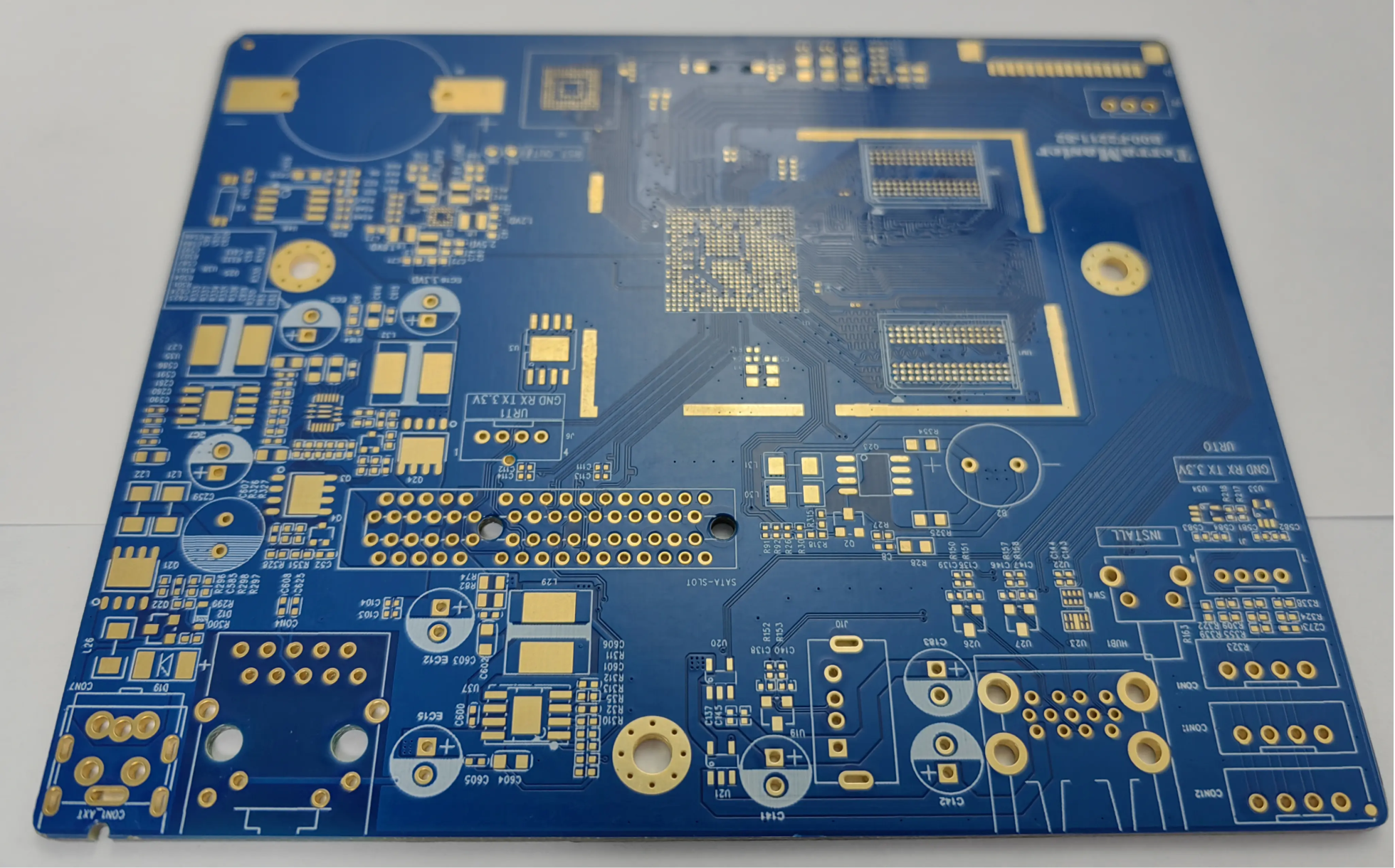
An RF PCB, or radio frequency printed circuit board, is exactly what it sounds like, it’s a circuit board specifically designed to carry signals in the radio frequency range. That typically means anything above 100 MHz and often into the gigahertz zone. In short, it’s the brain of anything wireless.
Now, let’s not confuse this with a regular PCB. An RF circuit board isn’t just about routing signals from A to B, it’s about doing it cleanly, with minimal interference, loss, or distortion. That’s why RF PCB design takes into account things like impedance matching, dielectric loss, and electromagnetic shielding in ways regular boards don’t even touch.
Picture a walkie-talkie, a GPS device, or a Wi-Fi router. All of those are powered by some form of RF board. And guess what? Not all RF PCBs are made equal. Some are multilayered, some are built with exotic materials like PTFE or ceramic-filled laminates, and others are just compact, single-layer RF prototype boards for quick testing.
You’ll often hear terms like RF printed circuit board or RF PCB board thrown around, these all refer to the same thing. But the real differentiator is in the material stack-up and layout, not just the label. And if your application relies on clean signal transmission? You need the right kind of RF PCB, no compromises.
2. The High Frequency PCB: Why Materials Make or Break It
So how’s a high frequency PCB different for high frequency PCB manufacturers?
For starters, while all RF PCBs are designed for radio frequencies, not all high frequency PCBs are technically “RF.” A high frequency PCB manufacturer focuses on signal performance above 500 MHz, often going up to 10 GHz and beyond. But it’s the materials that really define the difference.
Regular FR4 won’t cut it here. You’re dealing with ultra-low loss materials like Rogers, Taconic, or Isola laminates. These high frequency PCB materials help maintain signal integrity over longer distances and higher frequencies. They’re also more thermally stable, which matters a lot when you’re working with power amplifiers or fast-switching circuits.
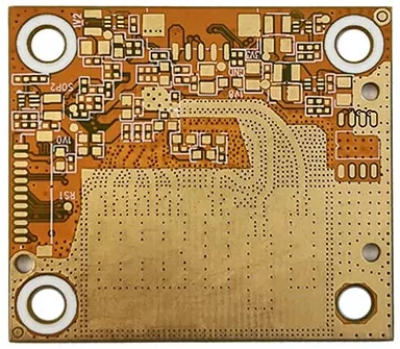
But the real challenge? These materials behave differently in the manufacturing process. They expand more. They’re softer. They can warp. And they cost more, too. So you don’t just need a good design, you need a manufacturer that knows how to handle this stuff.
When we say RF PCB material matters, we’re not just being picky. The wrong substrate can wreck your entire signal path. That’s why high frequency circuit boards are often custom builds. You can’t just grab any board off the shelf.
And here’s a tip: if your board is expected to function in a high-speed wireless device, it probably needs to be both an RF PCB and for a high frequency PCB manufacturer. The overlap is real.


评论
发表评论